Square Tuck Top Box: A Designer's Review for Real Projects
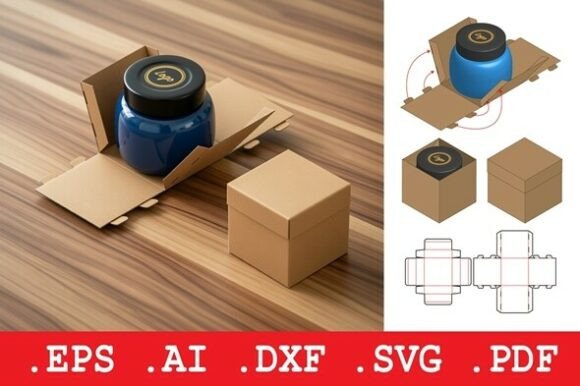
When I first opened the file for the Square Tuck Top Box, my immediate reaction wasn't just about the geometry; it was about the potential utility. As a designer who spends hours digitizing and reviewing machine embroidery design assets, I look for files that solve problems rather than just fill space. This specific template, categorized under Objects and delivered as a 3D SVG, offers a clean, structural aesthetic that translates surprisingly well from screen to stitch. It isn't a fluffy decorative motif; it is a functional graphic that suggests organization, gifting, and premium presentation.
First Impressions and Visual Personality
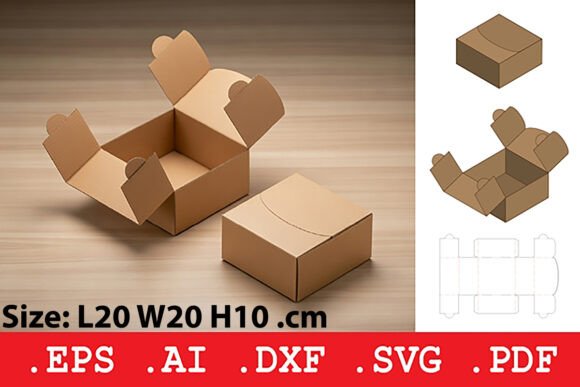
The mood this design creates is one of understated professionalism. In a market saturated with overly ornate florals and whimsical characters, a crisp, geometric box shape stands out by virtue of its simplicity. The layout relies on strong lines and clear definitions, which is crucial when translating a vector concept into thread. The "tuck top" detail adds a layer of realism that prevents the image from looking flat or generic. It feels like a blueprint for a tangible object, which makes it an excellent candidate for branding projects where clarity is king.
Visually, the design possesses a modern personality. It doesn't scream for attention, but it holds the eye through its balance and proportion. For an Etsy seller or a boutique owner, this kind of visual restraint often signals higher value. It suggests that the handmade product it adorns is thoughtful and curated. Whether you are aiming for a minimalist brand identity or a clean holiday look, the Square Tuck Top Box fits naturally without requiring excessive modification.
Real-World Application: The Boutique Packaging Scenario
To truly evaluate this embroidery file, I imagined a specific real-life scenario: a small business owner launching a line of eco-friendly gift sets. Picture a customer ordering a custom care package. Instead of using a printed cardboard box, the shop owner decides to offer a reusable canvas tote bag featuring the Square Tuck Top Box embroidered prominently on the front. Inside the digital mockup, the box graphic serves as a label, perhaps with the client's name stitched inside the "lid" area or below the base.
In this context, the design performs exceptionally well. It acts as a meta-commentary on the product itself—a picture of a box on a bag that holds boxes. It creates a cohesive narrative for the finished product. If I were stitching this onto a heavy-duty canvas tote bag design, the structural lines of the box would complement the sturdy weave of the fabric. The clean closure detail of the tuck-top lid would read clearly even from a distance, making it perfect for craft fair displays where visual impact at three feet matters.
Beyond totes, consider sweatshirt embroidery for a team of staff members at a high-end bakery or flower shop. A small chest placement of this box icon, perhaps in a monochromatic thread scheme, looks far more sophisticated than a standard text-only logo. It elevates the custom apparel from simple workwear to branded merchandise that employees might actually want to wear off the clock.
Technical Considerations for Stitching
While the aesthetic is strong, the practical execution requires a keen eye for detail. Because this is a representation of a 3D object flattened into a 2D stitch pattern, the integrity of the lines is paramount. When working with stitch density, one must be careful not to overfill the areas representing the sides of the box. Too much density can cause the fabric to pucker, distorting the square shape into something trapezoidal, which ruins the illusion of a perfect box.
I recommend analyzing the stitch types used in the file. Ideally, the long straight edges should utilize a tight satin stitch or a very fine running stitch to maintain crispness. If the design relies heavily on fill stitch for the sides, ensure your stabilizer choice is robust. For stretchy fabrics like jersey knits used in baby embroidery or t-shirts, a cut-away stabilizer is non-negotiable to prevent the box from warping after the first wash. On woven materials like linen tea towels or apron cotton, a tear-away might suffice, but always test first.
There are specific situations where the Square Tuck Top Box demands caution. If you are attempting to place this on a curved surface, such as the front panel of a cap, the straight horizontal lines of the box lid may appear to bow due to the curvature of the hat. In such cases, manual digitizing adjustments might be needed to compensate for the pull. Similarly, if the design includes tiny lettering within the box flaps to simulate a label, verify that your machine can handle that resolution. Tiny details often get lost or become muddy if the thread weight is too heavy or if the hoop size forces a reduction in scale.
Color Strategy and Fabric Texture
The versatility of this design shines when experimenting with thread colors. While a classic brown or kraft-color thread mimics a cardboard box effectively, do not limit yourself to realism. A metallic gold thread on a navy blue velvet pouch creates a luxurious holiday gift vibe. A pastel pink satin stitch on a white onesie makes for a sweet nursery decor item. The simplicity of the shape allows the color contrast to do the heavy lifting.
However, fabric texture plays a significant role here. On highly textured fabrics like terry cloth towels or bouclé sweaters, the fine lines defining the "tuck" mechanism of the lid might get swallowed by the pile of the fabric. In these instances, increasing the stitch width slightly or choosing a smoother fabric base will ensure the design retains its definition. Always run a test stitch-out on a scrap piece of your actual production fabric. Seeing the design in black and white mockups can also help you judge the contrast levels before committing to expensive threads.
Commercial Viability and Brand Trust
For commercial embroidery professionals and digital product sellers, the Square Tuck Top Box represents a safe yet stylish asset. Its generic nature is actually its strength; it doesn't belong to a specific niche, meaning it can be sold or used across various industries—from logistics companies wanting branded polos to wedding planners creating favor tags. This adaptability increases the ROI of the design file.
Using such a clean, professional graphic enhances brand consistency. When customers see a precise, well-stitched geometric logo, they subconsciously associate that precision with the quality of the service or product inside. It builds customer trust. A sloppy, distorted box implies a sloppy package; a crisp, perfectly aligned Square Tuck Top Box implies care and attention to detail. This subtle psychological cue can be the difference between a one-time buyer and a repeat client.
Final Verdict and Designer Notes
In conclusion, the Square Tuck Top Box is a versatile and reliable addition to any design library. It bridges the gap between illustrative art and functional iconography. Before integrating it into your workflow, remember to check the specific licensing terms provided with the file to ensure it meets your needs for craft business use. Verify the available formats and hoop requirements, as these details vary by vendor.
- Always test the design on scrap fabric similar to your final material to check for puckering.
- Review the stitch density settings; reduce them if working on lightweight or sheer fabrics.
- Ensure high contrast between thread and fabric for maximum visibility of the box details.
- Confirm that any small text elements included in the design are legible at your intended size.
- Use appropriate stabilizers—cut-away for knits and stretchy materials, tear-away for stable wovens.
- Consider how the design looks on both light and dark backgrounds to maximize its utility.
Whether you are creating a personalized gift for a friend or scaling up production for a small shop product line, this design offers a professional foundation. With the right preparation and attention to technical details, the Square Tuck Top Box can elevate your embroidery project from a simple decoration to a statement of quality craftsmanship.