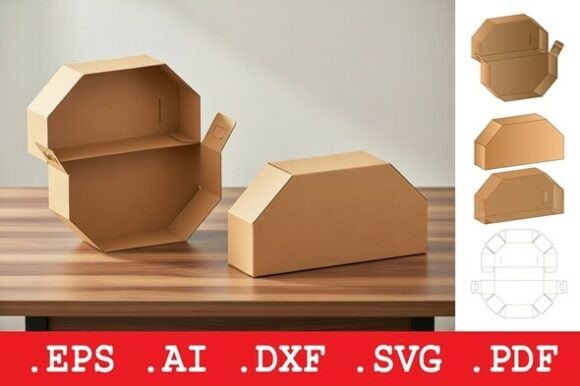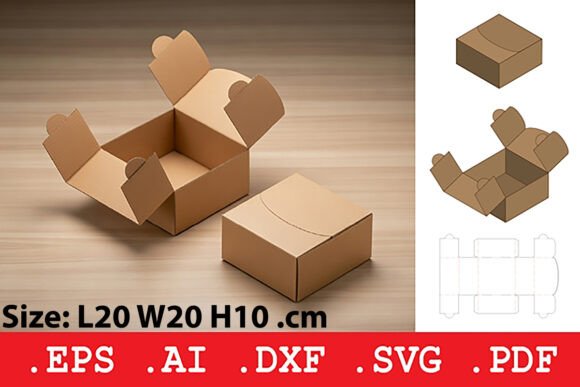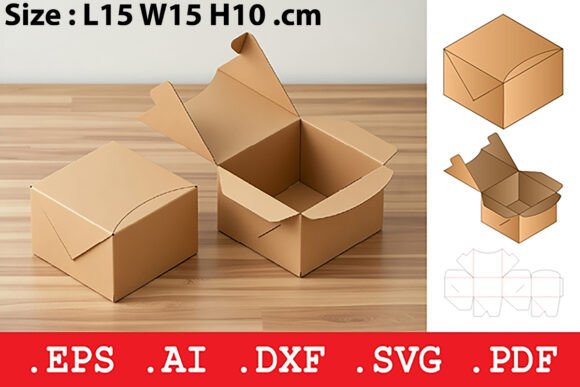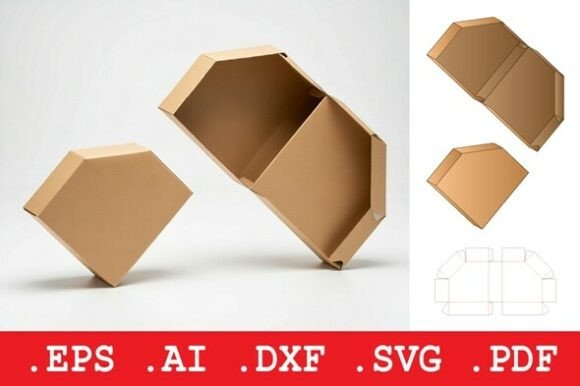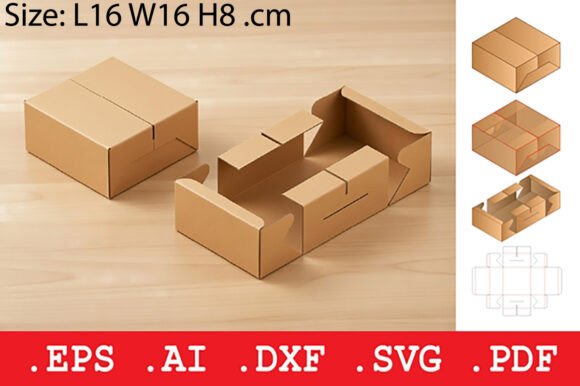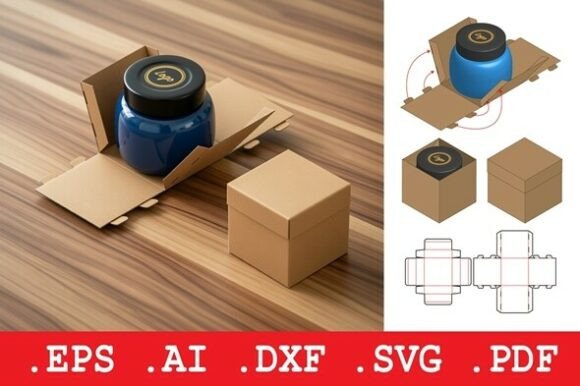
Review: Two Piece Folding Lid Box for Embroidery Projects
As a designer who spends more time staring at stitch maps than most people care to admit, I approach every new machine embroidery design with a mix of curiosity and skepticism. We've all been there: you download a file that looks crisp on the screen, only to find it turns into a puckered mess once the needle hits the fabric. That is why I was particularly interested in putting the Two Piece Folding Lid Box through its paces. While the product description highlights its utility as a template for 180-350 gsm paper packaging, my job is to look past the intended use and see how it translates into the world of thread and textile.
The first thing that strikes me about this 3D SVG asset is its structural clarity. Even though it originates in the Objects category for packaging, the clean lines and distinct separation between the base and the lid offer a fascinating visual language for embroidery. When I loaded the file into my editing software, the layout felt intentional. It isn't just a random shape; it has a mood of elegance and utility. For an Etsy seller or a boutique owner, this kind of visual personality is gold. It suggests quality before the customer even touches the handmade product.
Real-World Application: From Paper Template to Stitched Reality
To truly understand the value of the Two Piece Folding Lid Box, I had to imagine it outside of its native environment. Let's say you are preparing a custom order for a local bakery that wants branded aprons and tote bags. They don't just want a logo; they want an icon that represents their artisanal approach. This design, with its classic friction-fit lid aesthetic, could be simplified into a line-art embroidered patch or a direct stitch on an apron bib.
In a scenario involving sweatshirt embroidery, the geometric nature of the box provides a strong anchor point. Unlike organic shapes that can get lost in the nap of fleece, the defined edges of this box design hold their own. If you were creating a personalized gift for a wedding, perhaps stitching this motif onto a linen tea towel or a pillow cover, the "packaging" theme subtly communicates the idea of a gift within a gift. It adds a layer of conceptual depth to the finished product that generic floral or monogram designs often lack.
For those running a craft business, versatility is key. This design could easily be adapted for holiday embroidery projects. Imagine a small box design stitched in metallic threads on a velvet holiday stocking, or used as a framing element for a baby's name on a nursery blanket. The digital embroidery file structure allows you to manipulate the scale, making it suitable for everything from a tiny pocket detail on a custom apparel line to a large statement piece on a market tote.
Technical Considerations and Fabric Compatibility
However, enthusiasm must be tempered with technical reality. When working with a design derived from a folding box template, one must be hyper-aware of stitch density. The original specification mentions heavy paper, which implies sharp, crisp folds. In embroidery, replicating those sharp corners requires precision. If you are stitching this on a stretchy fabric like a cotton jersey t-shirt, you need to be careful. Without the right stabilizer, those clean lines might warp, turning your elegant box into a distorted shape.
I would advise testing this design on scrap fabric first, specifically looking at how the corners behave. Sharp angles are notorious for causing thread breaks or bird-nesting if the machine slows down too much or if the pull of the thread is too aggressive. For dark fabric backgrounds, you will need to pay close attention to your thread colors. A light-colored box outline on navy blue needs high contrast to maintain that "packaging" illusion. Conversely, if you are attempting a tone-on-tone look for a subtle brand mark, ensure the fill stitch or satin stitch variations you choose provide enough texture difference to be visible.
There are also limitations regarding hoop size. If you are working with a small 4x4 hoop, you may need to resize the Two Piece Folding Lid Box significantly. Be wary of shrinking it too much; fine details and tiny lettering (if you add any) can become indistinguishable blobs of thread. Similarly, curved surfaces like caps present a challenge. The flat geometry of a box design can look awkward if not centered perfectly on the curved crown of a hat. It works best on flat surfaces like tote bags, pillow covers, or the backs of jackets.
Enhancing Brand Value and Customer Trust
Why go through the trouble of vetting a design like this? Because in the eyes of a buyer, the quality of your design assets reflects the quality of your brand. Using a well-structured, recognizable shape like the Two Piece Folding Lid Box elevates the perceived value of your small shop product. It signals professionalism. When a customer sees a cleanly stitched, geometrically sound design, they trust that the rest of the item is made with equal care.
This is crucial for commercial embroidery projects where consistency is king. If you are producing a run of fifty tote bags for a corporate client, the ability of this design to stitch out clearly and consistently affects buyer engagement. It becomes a recognizable symbol. Furthermore, for those selling printable mockups or digital previews, the distinct silhouette of this box makes for compelling marketing imagery. It stands out in a crowded feed of swirls and scripts.
Final Verdict and Designer Notes
The Two Piece Folding Lid Box is a versatile contender for the modern embroiderer's library, provided it is handled with the right technical adjustments. It bridges the gap between structural design and decorative art. However, before you commit to a final project, keep these practical notes in mind:
- Check the License: Since this is described as a template for packaging, confirm whether the license extends to commercial embroidery use or if it is strictly for personal crafting. Never assume.
- Test Stitch Density: Run a test on your specific machine. What looks good in the software might be too dense for lightweight fabrics.
- Fabric Texture Matters: Avoid using this on highly textured fabrics like looped towels unless you increase the stitch coverage, as the texture can break up the clean lines of the box.
- Stabilizer Selection: Use a cut-away stabilizer for stretchy garments to prevent long-term distortion of the box shape.
- Mockup Testing: View your design in black and white before stitching. If the shape loses its definition without color, you may need to adjust the underlay or outline.
In conclusion, while the Two Piece Folding Lid Box starts as a paper engineering concept, its potential in the realm of embroidery projects is significant. It offers a fresh, non-traditional aesthetic for decorators tired of the same old motifs. With careful attention to fabric choice, stabilization, and sizing, it can become a staple in your repertoire for creating high-end, professional-grade goods. Just remember: the devil is in the details, and in embroidery, those details are made of thread.