Review: The 3D a Character Design for Bold Embroidery Projects
As a designer who spends more time staring at stitch maps than most people care to admit, I approach every new machine embroidery design with a mix of curiosity and skepticism. We have all seen those digital files that look stunning on a screen but turn into a tangled mess of thread breaks and puckering once they hit the fabric. That is why I took a close look at the 3D a Character file before committing it to any client work or personal embroidery project. This isn't just about whether the letter looks good; it is about whether it holds up under the pressure of real-world production.
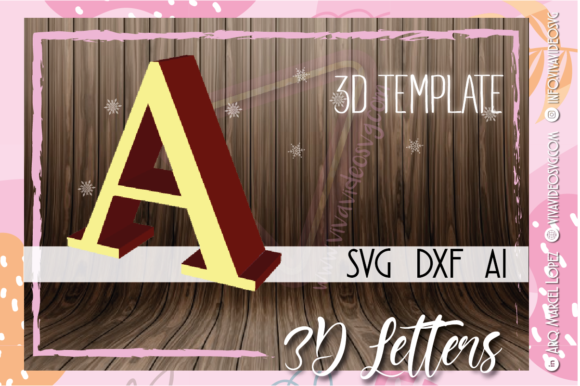
The first thing that strikes me about this design is its structural confidence. In the world of Shapes, letters can often feel generic or flat, but this specific 3D SVG asset brings a sense of depth that translates surprisingly well to physical media. The visual personality here is bold and modern, leaning into a blocky, architectural aesthetic rather than a soft, cursive flow. This makes it an excellent candidate for projects where you need immediate recognition and impact. When I loaded the file into my software to inspect the pathing, the layout felt intentional. It is not trying to be everything to everyone; it is a statement piece.
Real-World Application: From Screen to Sweatshirt
To truly test the viability of this design, I imagined a specific scenario that many of us face regularly: a custom order for a local boutique needing branded sweatshirt embroidery. The client wanted a minimalist yet striking logo for their new streetwear line. They needed something that would pop against heavy cotton fleece without getting lost in the texture. This is where 3D a Character shines. Because the design relies on strong geometric lines, it avoids the common pitfall of fine details disappearing into the nap of a sweatshirt.
I also considered how this would perform as a tote bag design. Tote bags are notorious for having loose weaves and varying tensions. A delicate script might warp, but the solid nature of this 3D letter suggests it would maintain its integrity even on canvas. For an Etsy seller looking to expand their catalog of personalized gift items, this file offers a versatile base. You could easily pair it with other elements to create monograms for baby items, though one must be cautious with scale when working on smaller garments like onesies.
The mood this design creates is one of stability and fun simultaneously. It feels playful enough for a child's room decor but structured enough for adult custom apparel. If you are running a craft business, consistency is key. Using a design with such a distinct visual weight helps build brand recognition. Whether it is stitched onto an apron for a cooking class or applied as an embroidered patch for a backpack, the finished product exudes a level of professionalism that cheap, auto-digitized fonts often lack.
Navigating Fabric Textures and Stitch Density
However, no design is without its challenges, and a professional review must address where caution is needed. The "3D" effect in embroidery usually implies a buildup of thread or specific shading techniques to create illusionary depth. When working with 3D a Character, you need to pay close attention to stitch density. If the fill areas are too dense, you risk creating a stiff, cardboard-like feel on the back of the garment, which is uncomfortable for the wearer and can cause the fabric to pucker over time.
This is particularly important when dealing with stretchy fabrics or thin materials. If you attempt to stitch this onto a lightweight rayon blouse without proper stabilization, the weight of the thread could drag the fabric down, distorting the shape. I always recommend testing the design on scrap fabric that matches your final material. Check how the stabilizer interacts with the backing. For textured fabrics like towels or corduroy, ensure that the running stitch outlines are sharp enough to define the edges against the uneven surface.
Another consideration is the color contrast. Since this is a single letter, it relies heavily on the interplay between the thread color and the fabric background. On dark fabrics, you might need to adjust the underlay or add a border to prevent the fabric from showing through the stitches, which can ruin the clean 3D illusion. Conversely, on light fabrics, ensure your thread colors are vibrant enough to stand out. A low-contrast choice here could make the design look muddy rather than dimensional.
Commercial Viability and File Versatility
For those of us selling digital embroidery file assets or finished goods, the format of the source file matters immensely. The 3D a Character package includes DXF, SVG, and AI formats. This is a significant plus. The SVG format allows for easy resizing and manipulation in cutting machines like the Silhouette Cameo, which is perfect if you want to create layered appliqué versions of the design. The AI file is invaluable for creating printable mockup images for your online shop before you even stitch a single thread. Being able to show customers exactly how the design will look on a hat or a pillow cover increases buyer engagement and trust.
It is worth noting that the product description specifies only the letter "A" is included. While this limits immediate use for full names, it opens up opportunities for initial-based branding or educational decor. For a small shop product line focused on nursery decor, a set of individual 3D letters could be sold as a collection. However, you would need to purchase or source the other letters separately if you intend to offer full name customization.
When considering commercial embroidery projects, licensing is always the first question. Before listing finished items on Etsy or fulfilling bulk orders for corporate clients, verify the license terms associated with this download. Some designers allow unlimited sales of finished physical goods but restrict the resale of the digital file itself. Clarity here protects your business from legal headaches down the road.
Final Verdict on Design Execution
In terms of stitching clarity, the design appears robust. The transitions between the different planes of the 3D effect seem logical, suggesting that the digitizer understood how light and shadow work in thread form. There are no overly tiny corners that scream "thread break waiting to happen," which is a common issue in complex alphabets. This reliability makes it a safe bet for high-volume production runs where consistency is paramount.
Ultimately, 3D a Character is a solid addition to a designer's library. It bridges the gap between novelty and utility. It is not just a cute shape; it is a functional element that can elevate a plain hoodie into a fashion statement or turn a simple tote bag into a branded accessory. Its strength lies in its simplicity and its bold execution. Whether you are a hobbyist making a holiday embroidery gift for a family member or a professional decorator outfitting a team, this design delivers on its promise of adding dimension and character to your work.
My advice is to start small. Hoop it up on a medium-weight cotton, use a quality cut-away stabilizer, and watch how the machine handles the density. If the result is as crisp on the fabric as it is on the screen, you have a winner that will serve your handmade product lineup well for seasons to come.