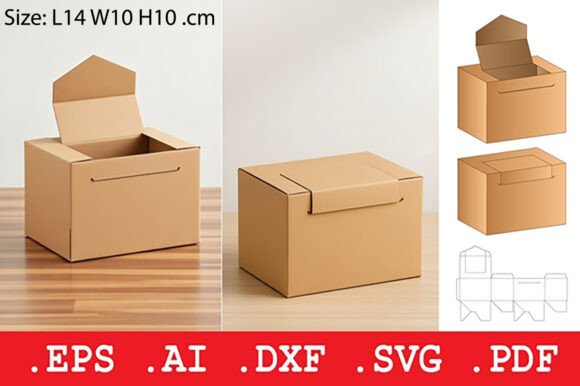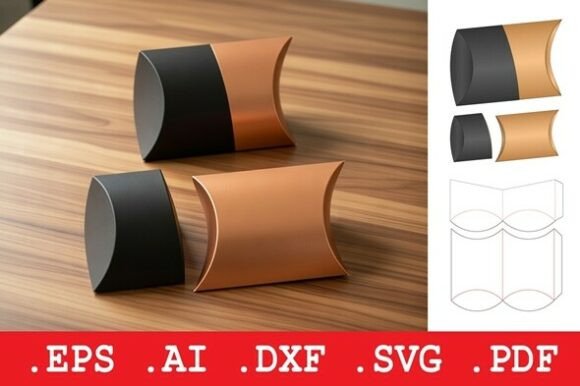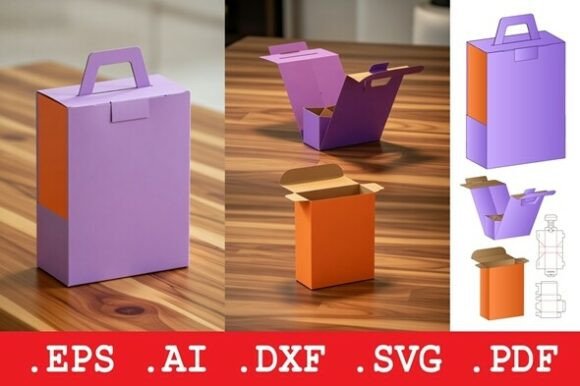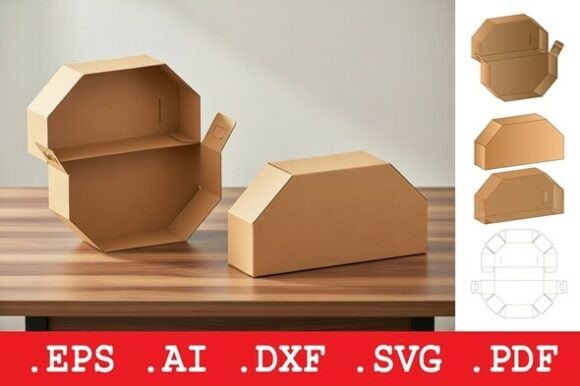
Versatile Cardboard Mailer Box Review for Makers
As a designer who spends more time staring at stitch maps than most people care to admit, I approach every new digital embroidery file with a mix of excitement and skepticism. We all know the feeling: you buy a design based on a shiny thumbnail, only to find out later that the density is too high for a towel or the details vanish on a textured sweatshirt. That is why I was particularly interested in evaluating the Versatile Cardboard Mailer Box and Shipp template bundle. While this product is technically categorized under Objects and offered as a 3D SVG, my lens is strictly focused on how these assets translate into tangible, stitched reality for our craft businesses.
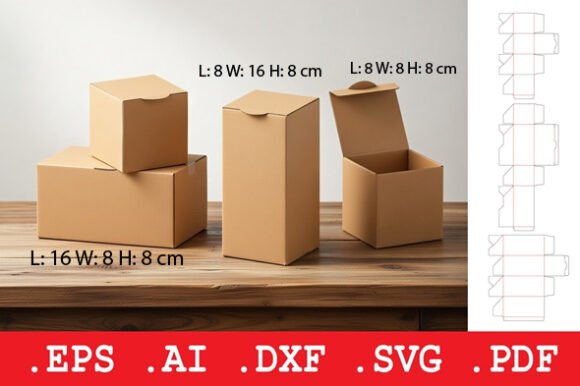
My first impression of the Versatile Cardboard Mailer Box and Shipp collection is one of utilitarian charm. In the world of handmade goods, packaging is often just an afterthought, but for a serious Etsy seller or boutique owner, the unboxing experience is part of the product. The mood these designs create is professional yet approachable. They don't scream for attention; instead, they whisper reliability. Visually, the layout suggests clean lines and structural integrity, which is exactly what you want when branding a small shop product. The personality of these templates feels grounded, making them a natural fit for projects that need to convey trust and quality.
Real-World Application: From Screen to Stitch
To truly test the viability of this bundle, I imagined a specific scenario that many of us face during the holiday rush. Picture this: you run a small business selling custom embroidered tote bags and aprons. You need a way to ship these items that reinforces your brand identity without costing a fortune in custom-printed boxes. This is where the Versatile Cardboard Mailer Box and Shipp concepts come into play. While the files themselves are 3D SVGs intended for modeling or printing, the aesthetic translates beautifully into a machine embroidery design for your packaging labels or the products inside.
I visualized using the geometric simplicity of these box shapes as a motif on a kraft paper hang-tag attached to a custom apparel item. If adapted into an embroidered patch, the clean edges of the mailer box design would look fantastic sewn onto the corner of a canvas tote. The visual clarity of the shape ensures that even from a distance, a customer recognizes the "shipping" theme, creating a cohesive narrative between the product they bought and the way it arrives. For a personalized gift, such as a baby layette set, using a simplified version of this box motif on a onesie adds a cute, "ready to ship" or "new arrival" context that parents love.
The versatility extends to sweatshirt embroidery as well. Imagine a streetwear brand where the logo is a stylized version of these shipping containers. The blocky, structural nature of the design holds up well against the fleece texture of a hoodie. Unlike intricate floral patterns that can get lost in high-pile fabric, the bold outlines typical of cardboard box templates maintain their definition. This makes the Versatile Cardboard Mailer Box and Shipp inspiration a strong candidate for commercial embroidery projects where durability and readability are paramount.
Navigating Technical Challenges in Embroidery
However, no design is without its challenges, and translating a 3D object concept into thread requires careful consideration. When working with the Versatile Cardboard Mailer Box and Shipp aesthetic, one must be wary of stitch density. Cardboard boxes are defined by sharp corners and straight lines. In embroidery, sharp internal corners can be tricky; if the digitizing isn't precise, the threads may bunch up, ruining the crisp look. If you are adapting these SVG shapes into an applique design or a standard fill, ensure your machine handles sudden direction changes smoothly.
Fabric choice is another critical factor. On thin or stretchy fabrics, a dense representation of a heavy cardboard box might cause puckering. I would advise testing this on a scrap piece of your intended material first. If you are stitching onto a tea towel or a lightweight pillow cover, you will definitely need a high-quality stabilizer to prevent the fabric from distorting under the weight of the design. Conversely, on textured fabrics like waffle weave or terrycloth, the straight lines of the box design might appear slightly jagged if the stitch length is too long. A tighter satin stitch border might be necessary to define the edges clearly against the texture.
Curved surfaces present another hurdle. If you plan to put this design on a cap or a structured hat, remember that the flat geometry of a mailer box fights against the curve of the crown. The design might look distorted if placed too far back or too close to the brim. It is best suited for the front panel where the surface is flattest. Additionally, if the design includes any simulated text or tiny details mimicking shipping labels, verify that these elements are large enough to stitch out cleanly. Tiny lettering often turns into a blob of thread, so simplifying those details for a running stitch outline might be a smarter move for smaller hoop sizes.
Elevating Brand Value and Customer Trust
Beyond the technical stitching, the strategic use of the Versatile Cardboard Mailer Box and Shipp theme can significantly impact your brand perception. In the eyes of a buyer, consistency builds trust. If your handmade product features a design that subtly echoes your packaging style, it creates a professional, unified look. This attention to detail tells the customer that you care about every aspect of their experience, from the initial browse to the final unboxing. It elevates a simple holiday gift into a memorable brand interaction.
For digital product sellers creating printable mockups, these 3D SVG assets are gold. They allow you to create realistic previews of how an embroidered logo would look on a physical shipping box, helping clients visualize the final result before they commit to a custom order. This visual aid can increase buyer engagement and reduce hesitation. For the craft business owner, this means higher conversion rates and a more polished portfolio. The finished product, whether it is a physical embroidered item or a digital preview, exudes a level of professionalism that separates hobbyists from serious entrepreneurs.
Final Designer Notes and Recommendations
Before you dive into using the Versatile Cardboard Mailer Box and Shipp bundle for your next project, here are a few practical steps I recommend. First, always test the design on scrap fabric that matches your final product. Check the thread color contrast; sometimes a subtle tone-on-tone look works for luxury items, but high contrast is better for visibility. Review the stitch density settings in your software to ensure they match your fabric weight. Confirm your hoop size capabilities, as some box variations might be larger than expected.
Inspect small details closely. If the design relies on very fine lines, consider whether a fill stitch or a satin column would serve the design better on your specific machine. Test your mockups in both black and white to ensure the design holds its form without relying on color cues. Most importantly, verify the licensing terms. Since this is a bundle intended for various uses, confirm whether it allows for commercial embroidery sales or if it is restricted to personal use. Understanding these boundaries protects your business and ensures you can confidently sell your finished product to your customers.
In conclusion, while the Versatile Cardboard Mailer Box and Shipp bundle starts as a digital asset for objects, its potential in the embroidery world is significant. With thoughtful adaptation and attention to technical details, it can become a cornerstone of your branding strategy, adding value to your Etsy listings and delighting your customers with a cohesive, professional presentation.